AutoSock, High Performance size 698, one pair, no. AS698
£84.95
RRP:£90.00
Code:AS698
Worried about driving on ice or snow?
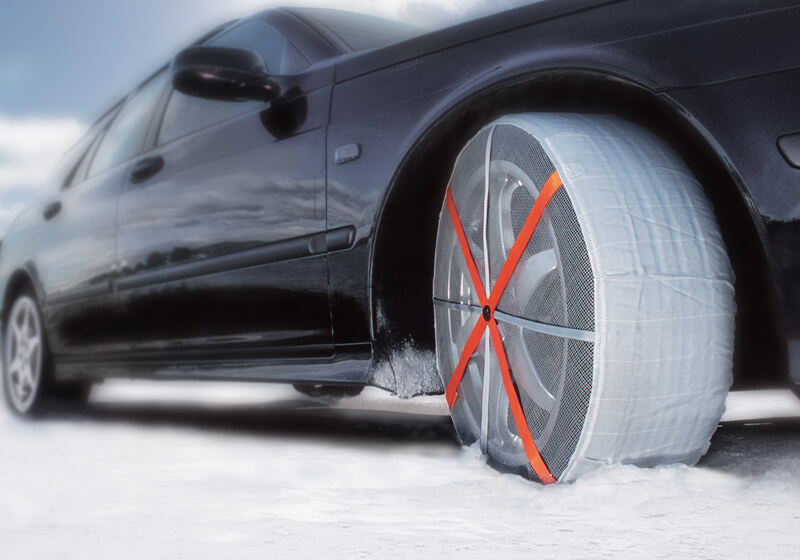
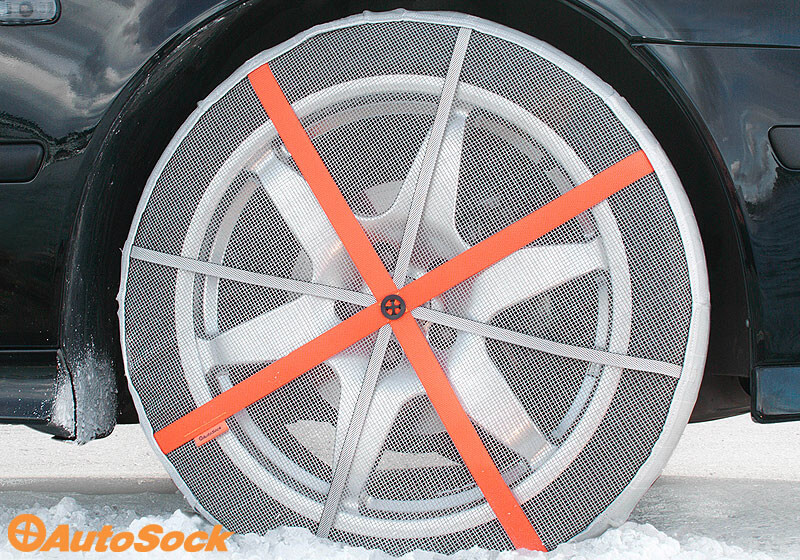
AutoSock are super-strong textile socks which you pull over the driving wheels to provide the grip you need on ice and snow. They’re reusable, take up minimal storage space, and in many circumstances work better than winter tyres or snow chains.
After selecting your vehicle we will show you the correct size of AutoSock for your vehicle and tyre combination. Please note that the price may vary between sizes.
AutoSock were launched in Norway in 2002 after a long period of testing, evaluation and improvement. Sales have grown exponentially, with many millions of pairs now sold worldwide, mostly on recommendation. When you've had the opportunity to test them for real you'll soon realise why! Most people are not only surprised but astonished at the difference they make to general traction, cornering, and braking.
"This cheap alternative to snowchains or to winter tyres is staggeringly easy to fit... I used them while driving in the French Alps last week and can confirm they are absolutely superb." (Nat Barnes, AA Motoring Writer of the Year)
They've also been approved by many car manufacturers, including BMW, Fiat, Hyundai, Jaguar, Kia, Land Rover, Mercedes-Benz, Nissan, PSA Peugeot Citroën, Seat, Toyota, Volkswagen, and Volvo.
The bottom line is that AutoSock will provide a massive boost in all round confidence when driving on ice and snow, and hopefully "Get you home" or to wherever you're going, but don't overcook it, i.e. you should always drive with particular care in wintry conditions.
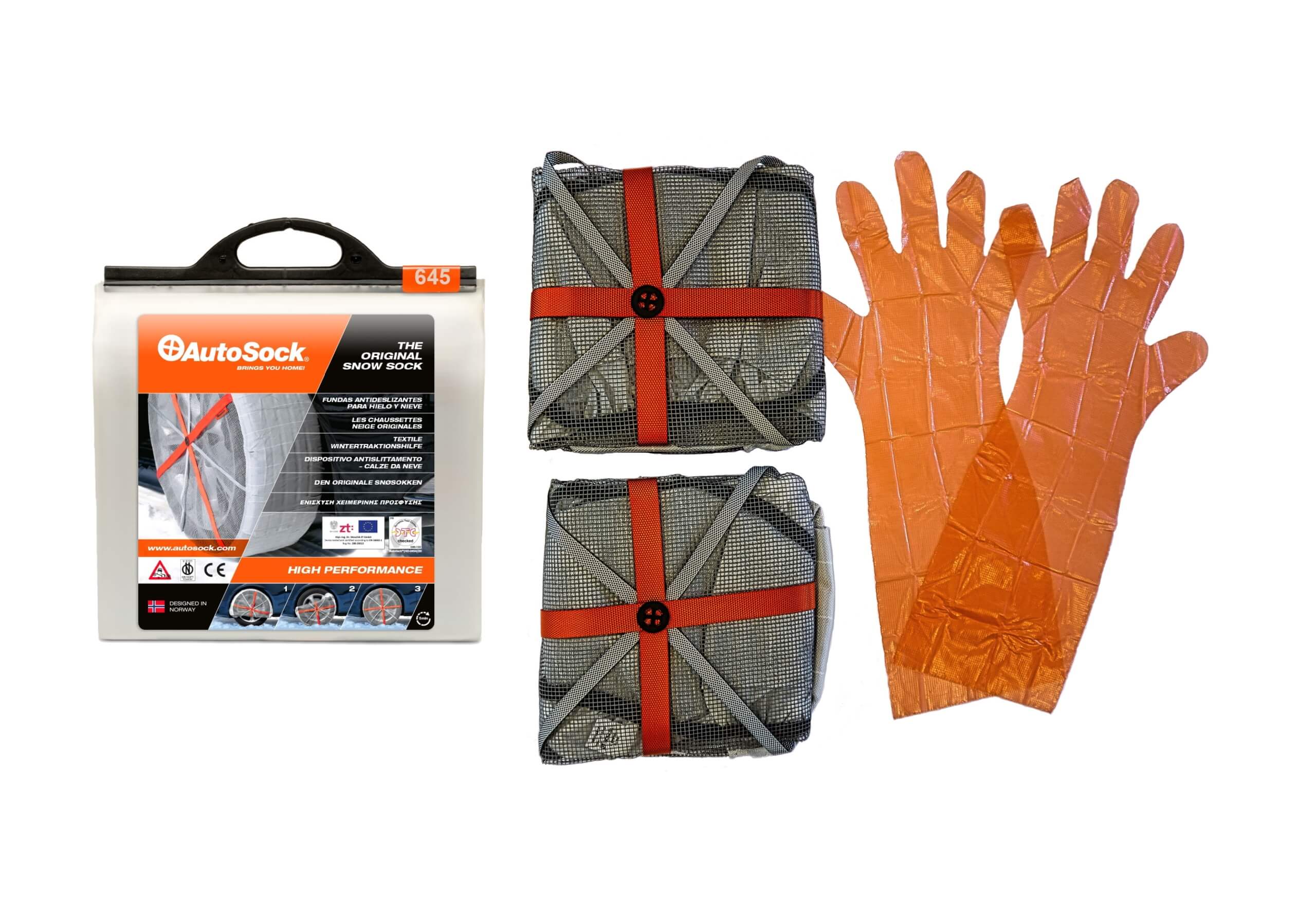
Each set contains:
- one pair of AutoSock
- a pair of disposable gloves to protect your hands and cuffs from e.g. wet and dirty car bodywork
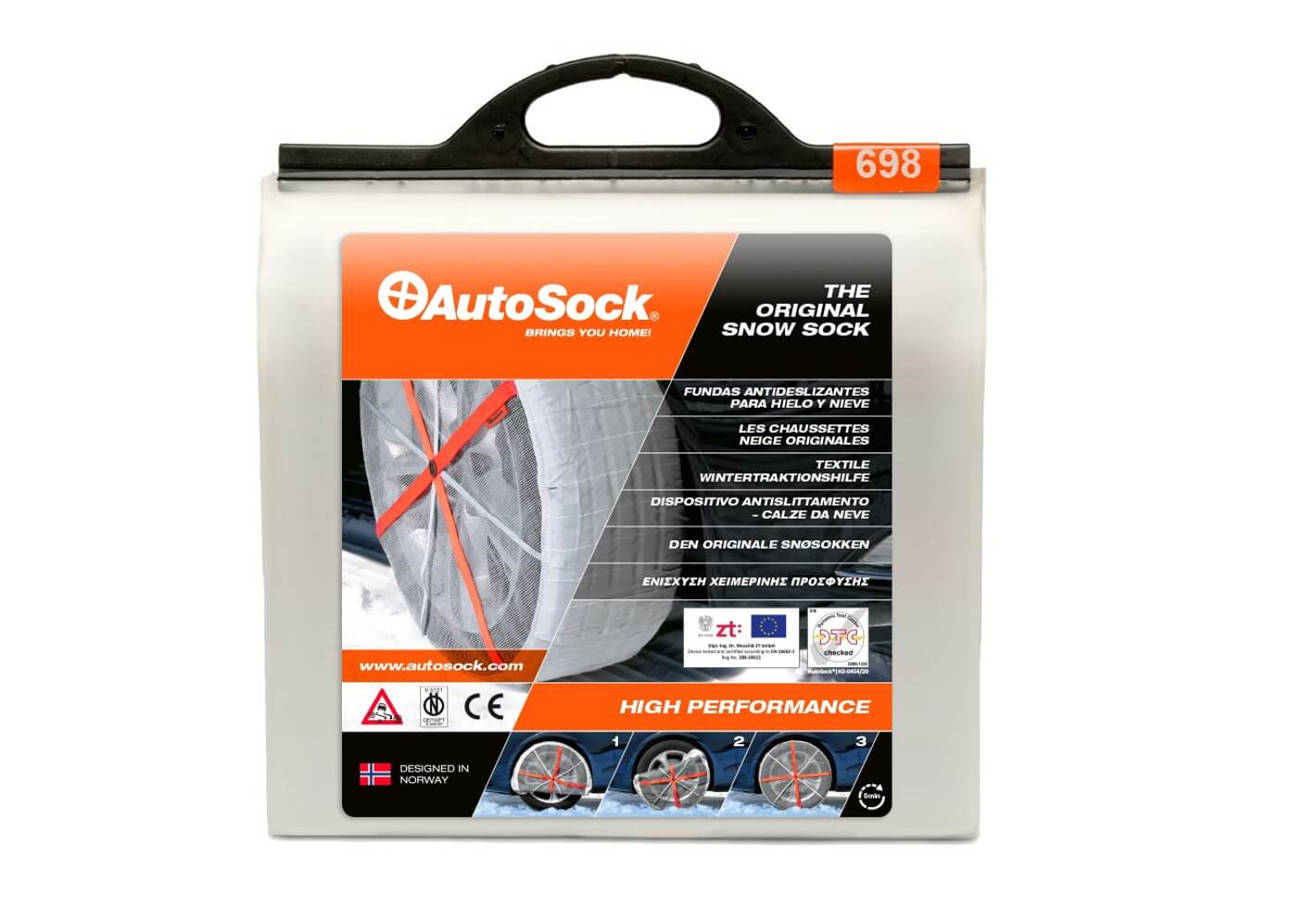
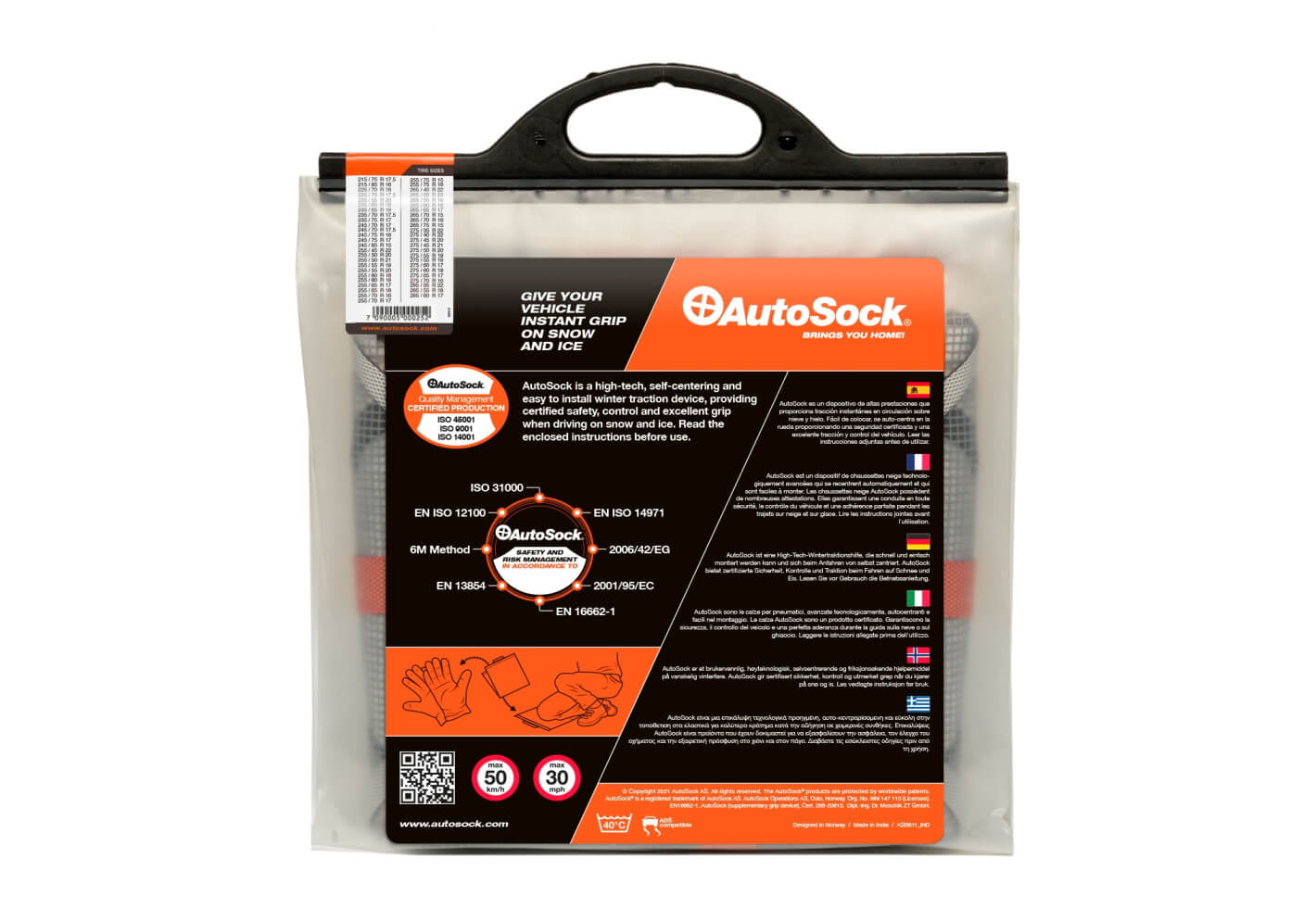
Full instructions are shown on each bag which, being fully waterproof, is also designed for easy and clean carrying of dirty AutoSock once you've taken them off the wheels (pull them off with the orange straps).
There's only one possible way to fit AutoSock, and no practice is required.
Please note that AutoSock will wear out with use, and that worn out AutoSock is not a guarantee issue! They'll get you moving and keep you moving - see the "Driving with AutoSock" page (one of the tabs above) for more information.
Please test them at the first good opportunity, and then pass the word!
Business and fleet customers: Please see the tab headed Fleets, where there's a pdf entitled "AutoSock - the business case".
Overseas use
AutoSock are approved as an alternative to snowchains, even where snowchains must be carried by law, with effect from 1st December 2020. AutoSock have been tested and approved to the new European standard EN16662-1:2020 for "supplementary grip devices" - this includes not only metal snow chains but also devices made from other materials. The approval covers the use of AutoSock on cars and light commercial vehicles to 3.5 tons (vehicle category N1) - we do not know whether any of the other snow socks on the market have been approved and certified according to the new European Standard. The standard covers all EU countries, except for Austria, and has also been adopted by Iceland, Norway, Serbia, Switzerland, and Turkey.
AutoSock are lobbying for Austria to follow European legislation and to adopt EN16662; until further notice ski-drive visitors to Austria should take snowchains - but AutoSock will of course also be useful on the non-driving wheels, and on slushy roads where snowchains are useless.
If you are travelling to the EU or the other countries listed, please check that your AutoSock have a sticker on the front of the bag which shows the certification details - ask us to send you one if this is missing.
The media often make the mistake of assuming that all snow socks have the same performance as AutoSock, and may be used where AutoSock are approved for use as a snowchain alternative. Some retailers of snow socks also make incorrect statements. If you do decide to buy cheaper products - some of these are adequate, some are very poor - we suggest that you check out their websites for information about EN16662-1:2020.
Videos
AutoSock in action
AutoSock explained
Every component in an AutoSock has a purpose in design and quality – the road contact fabric, the number of straps, the front mesh. Most of the copiers have copied the concept without understanding the engineering, doing it as cheaply as possible, which is why some copies don’t last as long and are prone to failure, e.g. being dragged behind the wheel when cornering in wet snow. Both we and AutoSock in Norway have tested many of these products and, even just looking at them side by side with AutoSock, we know that we wouldn't want to trust them on our family cars or Company vehicles. Driving in snow is already much more dangerous than normal driving - this is not a time or place for cutting corners!
Please click on the pdf symbol to read 'AutoSock - the business case':

If you are looking to order more than 10 pairs of AutoSock, please note that there's a tool available at autosock.co.uk/fleets where you can work out what sizes you need, can save your work, and can then send it to us if you want a quote.
AutoSock continue to robust action against patent infringement - we think it's important that their corporate customers in particular are aware of this, because they may well have responsible sourcing standards.
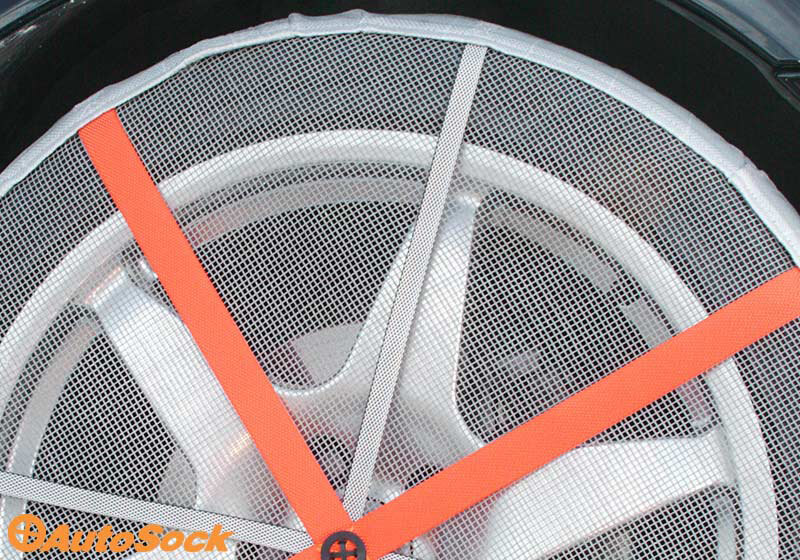
AutoSock are made from science-based, high tech materials. The road contact fabric was specially developed to maximise dry friction, and be very hard wearing. The mesh facing helps provide stability, as well as making for much easier fitting. It’s important to have an open mesh, allowing powder snow to be flung out, as otherwise powder snow is likely to bulk up inside the sock. We have seen how socks without a front mesh can fall behind the wheels, especially when they are on a tight lock, and especially in wet snow. The mesh facing is therefore a very important part of the design, but unfortunately it’s not a cheap component.
After the winters of 2009 and 2010 in particular, large numbers of copy products entered the UK and Irish markets; legal activity for patent infringement has been taken, is in progress, or may be taken against many of these distributors and resellers, some of whom are household names and, we can only assume, have been badly advised!
Some of the copies and counterfeits are relatively very cheap - as products can be if there are no research and development costs, if materials are of poor quality, if important elements of what makes a safe product are not included at all, and if the labour costs are negligible.
We hope that our potential fleet customers in particular will wish to be confident that the products they use have proper product liability insurance, as AutoSock has.
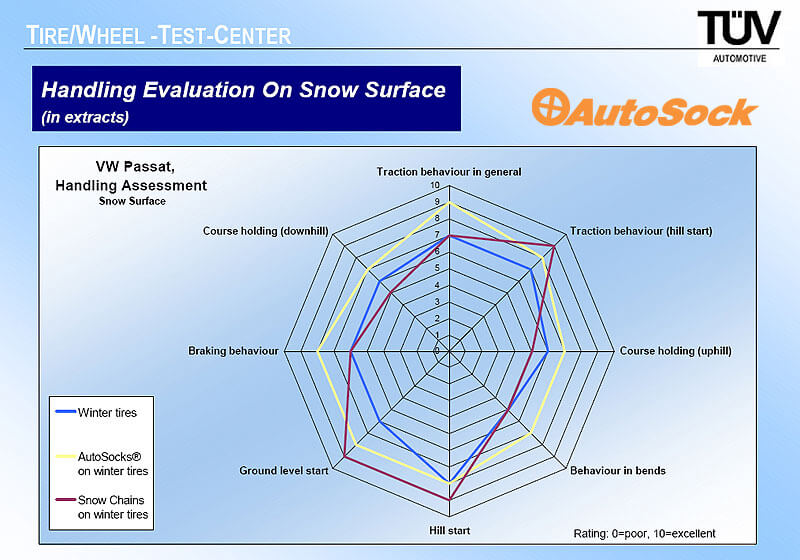
Some of the distributors of copy products continue to make unjustified statements about their products. For example, some claim to have German TÜV testing agency approvals, but in fact their TÜV certificate attaches to something else entirely, not to their snow sock copy; only AutoSock has been tested by TÜV against the TÜV standard for snow socks in force at that time.
EU court decisions include:
- A preliminary injunction for breach of patent against Siepa and its Austrian and German distributors by the Higher District Court of Düsseldorf, Germany. The penalty for a violation of the judgment is up to €250,000 per incident. Siepa 'brands' include Goodyear and Fix&Go.
- An injunction for breach of patent against the Trendy distributor in Norway by the Court of Telemark.
- A preliminary injunction for breach of patent against one embodiment of MultiGrip by the Higher District Court of Düsseldorf. The penalty for a violation of the judgment is up to €250,000 per incident.
- A judgment on 20th November 2014 against Weissenfels S.p.A. for breach of patent. Weissenfels were required to pay the court costs, and to refrain from selling snow socks (including WeissSock) in Germany again, with a penalty of EUR 250,000 for each and every violation, and to provide AutoSock with a detailed history of sales and profits since 14th January 2006.
Here are some notes about what to expect from AutoSock, and some tips about how to get the best use from them:
General driving tips
- First of all, please read the instructions, especially the comment “Avoid spinning the wheels, extreme braking and acceleration, since this could damage the product.”
- The usual rules of driving in snow apply, i.e. pull off slowly, stay in as high a gear as possible, “anticipate” even more than normal, avoid hard braking.
- The speed limit of 30mph / 50kph will seem quite fast enough on snow. It is a maximum speed, not a recommended speed!
How long will they last?
- Fundamentally, the more you drive on clear roads / gritted tarmac, the faster they will wear out and the sooner you will need to buy another set.
- They are a “Get you out of trouble” solution and are not intended for prolonged use. You will probably use them to get down to the gritted road, then you take them off ASAP it is safe to do so.
- From the instructions: “The wear limit is reached as soon as 50% of the white road-contact fabric is worn out and the underlying black safety material has become visible.”
- You will find that small holes start to appear as they become worn. This is no big deal and will not affect their performance until it becomes obvious that they are looking ragged and well worn – then they need replacing. If they are ripped, this is due to snagging on e.g. a loose mudguard, a loose screw on a wheel arch liner, some other third party influence. (If you hear them catching on something, stop and sort it out!)
- There are reinforced bands running across the AutoSocks; these provide overall strength, help to prevent the socks from splitting after misuse, and help prevent holes from spreading.
- Overall, use your commonsense about how long to use them, and of course and where possible you should avoid potholes, raised manholes etc.
Fitting them
- Fitting is very easy on most vehicles, more difficult on a few. The most difficult vehicles to fit are – no surprise – rear wheel drive cars with limited clearance. If you can’t get your forearms into the space between the wheel and the wheel arch, fitting will be difficult. But blame the car, not the AutoSock! If they are a very tight fit, too tight, please let us know because there is obviously a size issue that we need to learn about.
Specific driving tips
Some suggestions for situations where AutoSock are not making the difference expected:
- On a rear wheel drive car, uphill slope, sheet ice: You need some weight in the boot – it makes all the difference. Don’t just spin the wheels and trash the AutoSock.
- On a hill in really slushy snow. You may drive forward then slip. The AutoSock are sticking to the snow but there isn’t enough strength in the snow to hold the weight of the vehicle. Roll back down a few feet, compressing the snow and driving out the water. Then try again, moving further up the hill than before. Three steps up, two back.
For many years AutoSock was the only snow sock that was approved for use in many European countries as an alternative to snowchains, including France, Germany, Italy and Spain, but since 1st December 2020 new legislation is in force, with a new testing standard, and previous arrangements are now obsolete.
The new standard EN16662-1:2020 is for "supplementary grip devices" - these include not only metal snow chains but also devices made from other materials. The standard covers passenger cars and light commercial vehicles up to 3.5 tonnes gross vehicle weight.
AutoSock is the first snowsock product worldwide to have been tested and approved to EN16662-1:2020; we have no idea whether any other snowsocks have met this standard.
This standard has been implemented in all EU member states (except for Austria), and also implemented in Norway, Serbia, Switzerland, and Turkey.
AutoSock are lobbying for Austria to follow European legislation and to adopt EN16662; until further notice ski-drive visitors to Austria should take snowchains - but AutoSock will of course also be useful on the non-driving wheels, and on slushy roads where snowchains are useless.
In France, the new “Mountain Law” (“Loi Montagne”) requires that winter equipment must be carried on special road sections in mountainous areas between 1st November and 31st March. AutoSock for passenger cars and light commercial vehicles fully comply with this new regulation and can legally be used instead of snow chains or winter tyres when entering any of these areas.
There is a generally a very robust argument for carrying snowchains as well as AutoSock when driving in Alpine regions - see our Snow Chains pages for more information about this.
AutoSock, High Performance size 698, one pair, no. AS698 specification data
Chain information
Fitting Type Pull On
Tensioning System Automatic
ABS/ESC Compatible Yes
Approvals
Austrian Ö-Norm V5117 Not Approved
EN-16662-1: 2020 Approved
Vehicle Applications
Low-arch Clearance Compatible
General information
Brand AutoSock
Delivery charges and arrangements:
We charge a contribution towards delivery costs, depending on what you order, where you live, and how quickly you want the goods.
These are our standard charges; there are usually surcharges for all offshore destinations and some remote postcodes - for details please see our delivery information page.
| Small items & Spare parts | ||
|---|---|---|
| Express delivery | £ 6.95 | 1 to 2 working days |
| Standard delivery | £ 4.95 | 3 to 4 working days |
Delivery times
Delivery times are calculated in working days (Monday to Friday, excluding Bank holidays).
Cut-off times for Express Delivery orders
Express Delivery orders placed before 4pm will usually be despatched on the date of order. Express Delivery orders placed after 4pm will be despatched the next working day.
How we deliver
We aim to be as flexible as possible when delivering your order. Most orders are delivered using couriers. Goods can usually be left without a signature; you'll be asked for "Special Delivery Instructions" at the checkout. We always need the cardholder's address, but you can specify an alternative delivery address (e.g. work address).
Smaller orders are despatched using Royal Mail or DX2Home and may need to be signed for; if you are out you'll be left a card outlining options which may include arranging a re-delivery or collecting your parcel from a post office for Royal Mail deliveries.
Important information
Delivery is subject to stock availability.
99 point something percent of orders are delivered to plan but occasionally deliveries are affected by factors that are beyond our control - traffic jams, bad weather etc. - and there is therefore by definition no such thing as a "guaranteed" delivery, whether from us or from anyone else.
Accessories
-
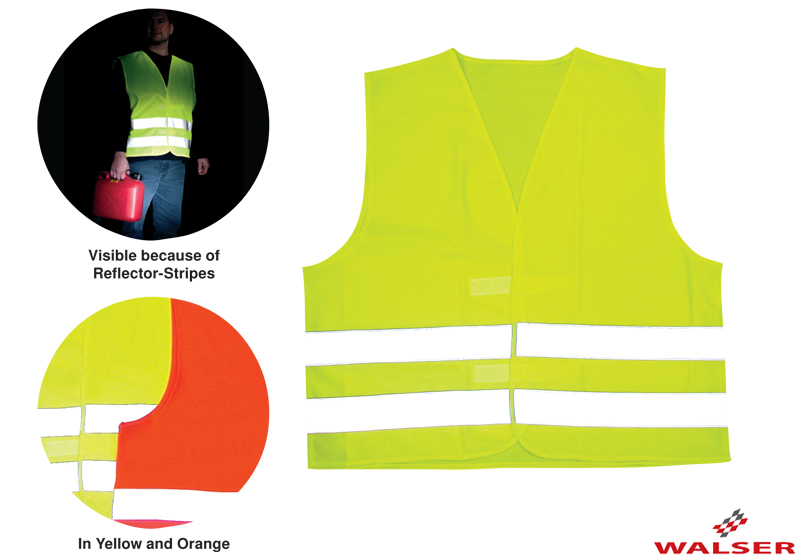 Walser reflective safety vest, adults' yellow, 43998
Safety equipment
Walser reflective safety vest, adults' yellow, 43998
Safety equipment
Having a reflective safety vest in your car over the winter months is a very good idea, and the b...
In stock £2.50 -
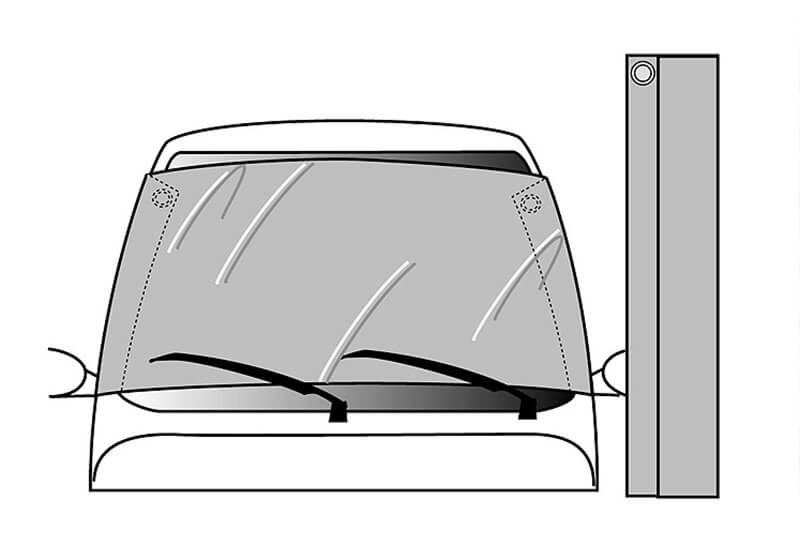 Windscreen protector for ice, snow and sun (extra large)
Safety equipment
Windscreen protector for ice, snow and sun (extra large)
Safety equipment
Save time and cold hands by fitting this windscreen protector if there's a forecast for frost or...
In stock £3.95 -
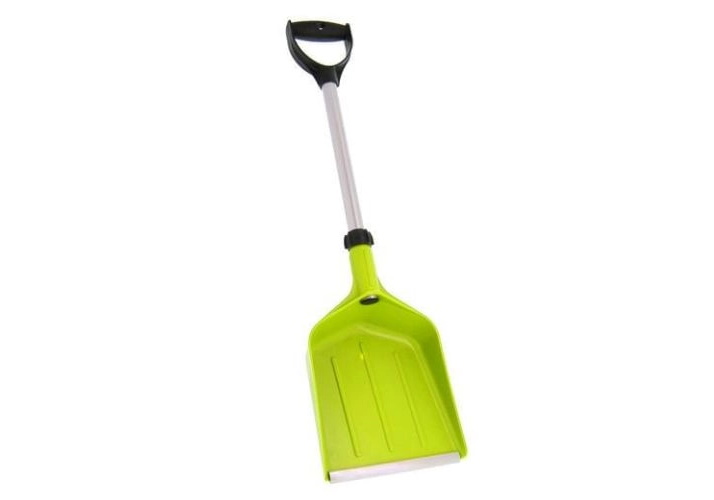 BILLAT telescopic snow shovel with icebreaker blade - GD067
Safety equipment
BILLAT telescopic snow shovel with icebreaker blade - GD067
Safety equipment
It makes sense to keep a small shovel in your car so it's there when you need it. This one is st...
Stock arriving £9.95 -
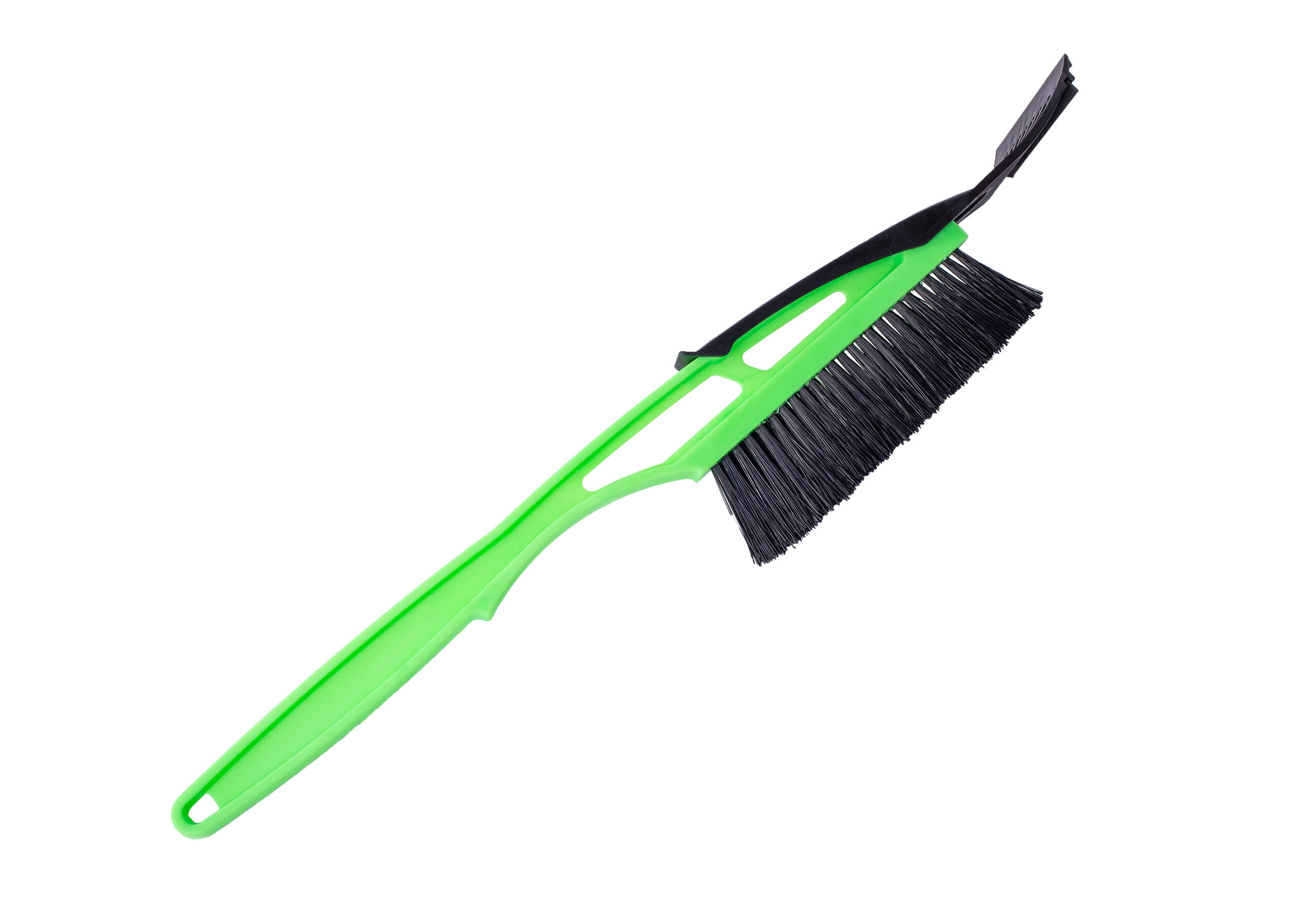 Snow brush with detachable ice scraper
Safety equipment
Snow brush with detachable ice scraper
Safety equipment
Keep your windscreen clear of ice and snow!
You ought to clear the snow off the roof of your ve...
Stock arriving £4.95 -
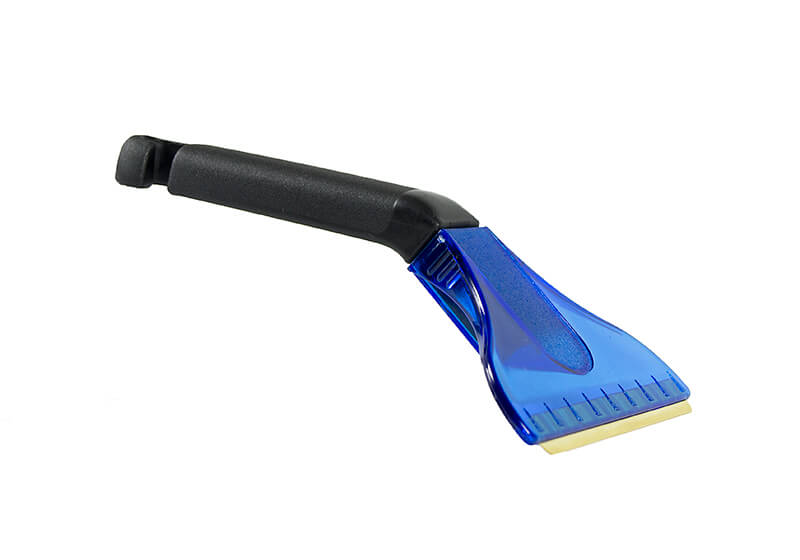 BILLAT brass blade ice scraper no. GD015
Safety equipment
BILLAT brass blade ice scraper no. GD015
Safety equipment
This brass blade ice scraper is both durable and very effective and will clear even thick ice wit...
Stock arriving £2.95 -
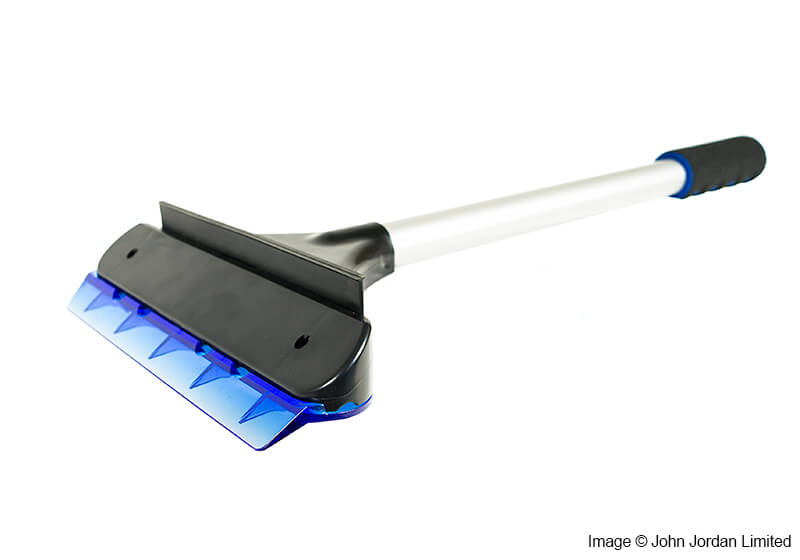 BILLAT long handled ice scraper no. GD016
Safety equipment
BILLAT long handled ice scraper no. GD016
Safety equipment
This long handled heavy-duty ice scraper is designed for use on van windcreens, but will be just...
In stock £9.50 -
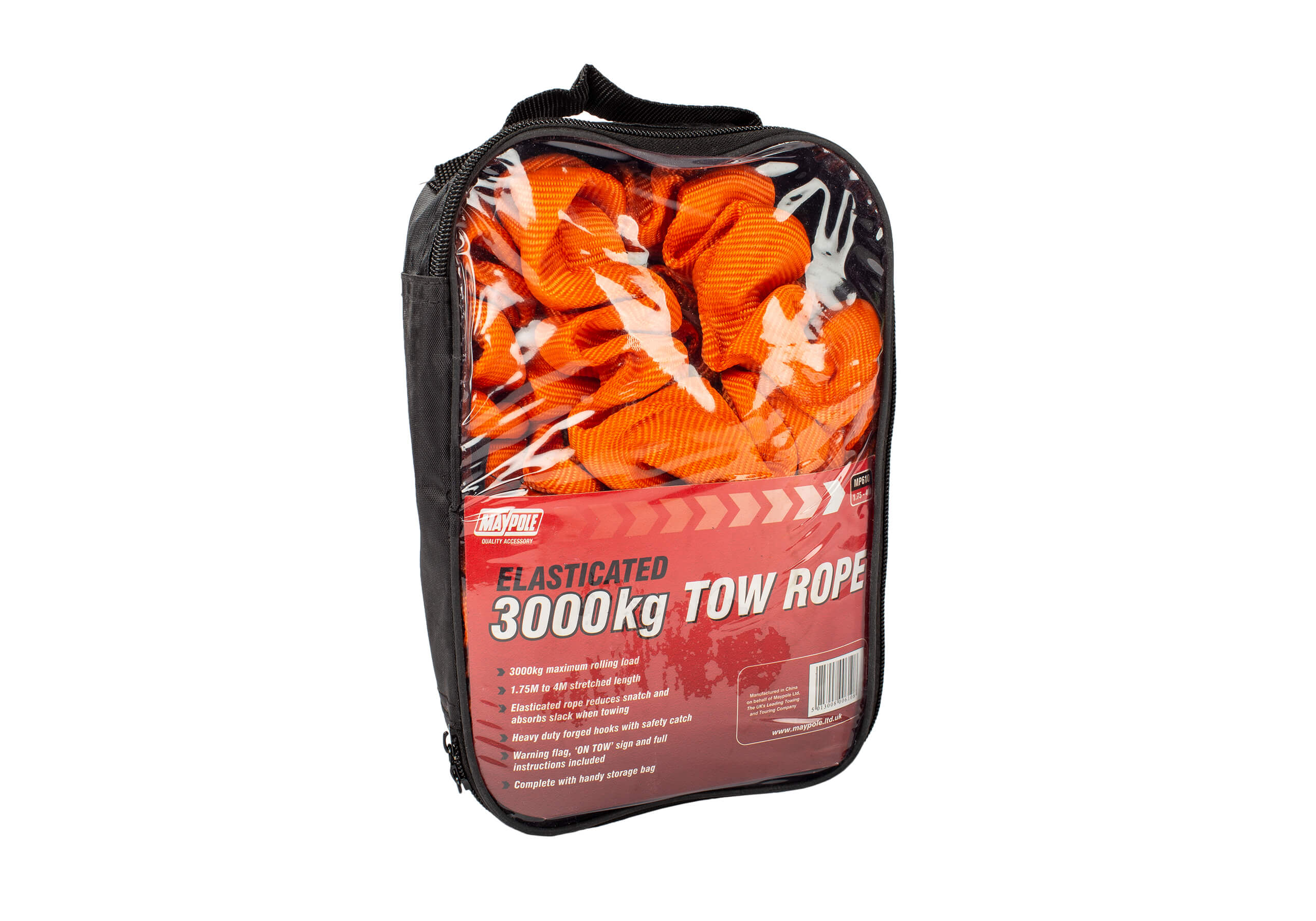 Maypole 3 tonne tow rope no. SF033
Safety equipment
Maypole 3 tonne tow rope no. SF033
Safety equipment
This Maypole 3 tonne tow rope starts at 1.75m and stretches to 4m, eliminating snatching. Its dro...
Stock arriving £14.95 -
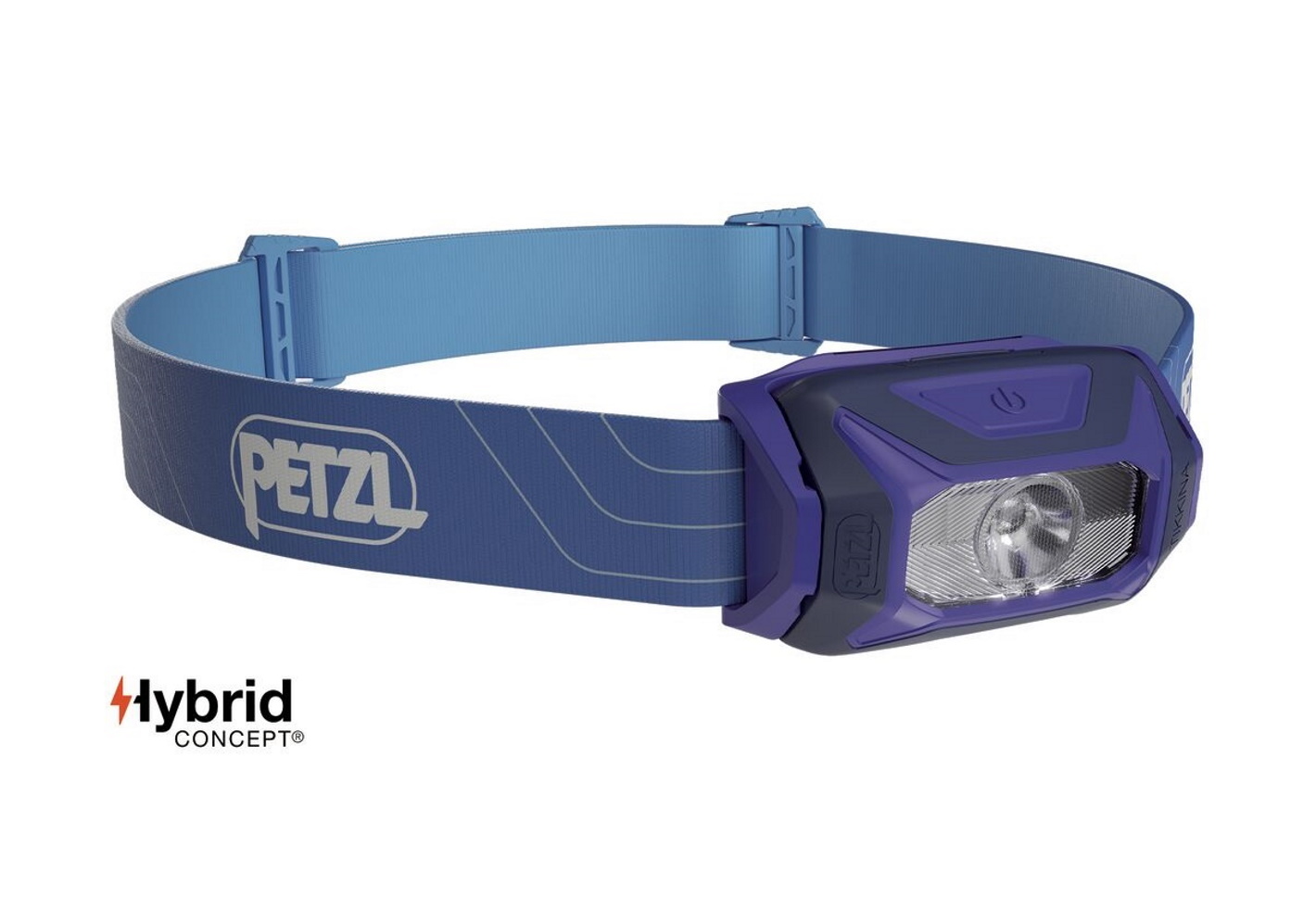 Petzl Tikkina head torch, blue, no. LG009
Safety equipment
Petzl Tikkina head torch, blue, no. LG009
Safety equipment
A very practical and easy-to-use 300 lumen head torch with three lighting levels, all you need fo...
In stock £19.95 -
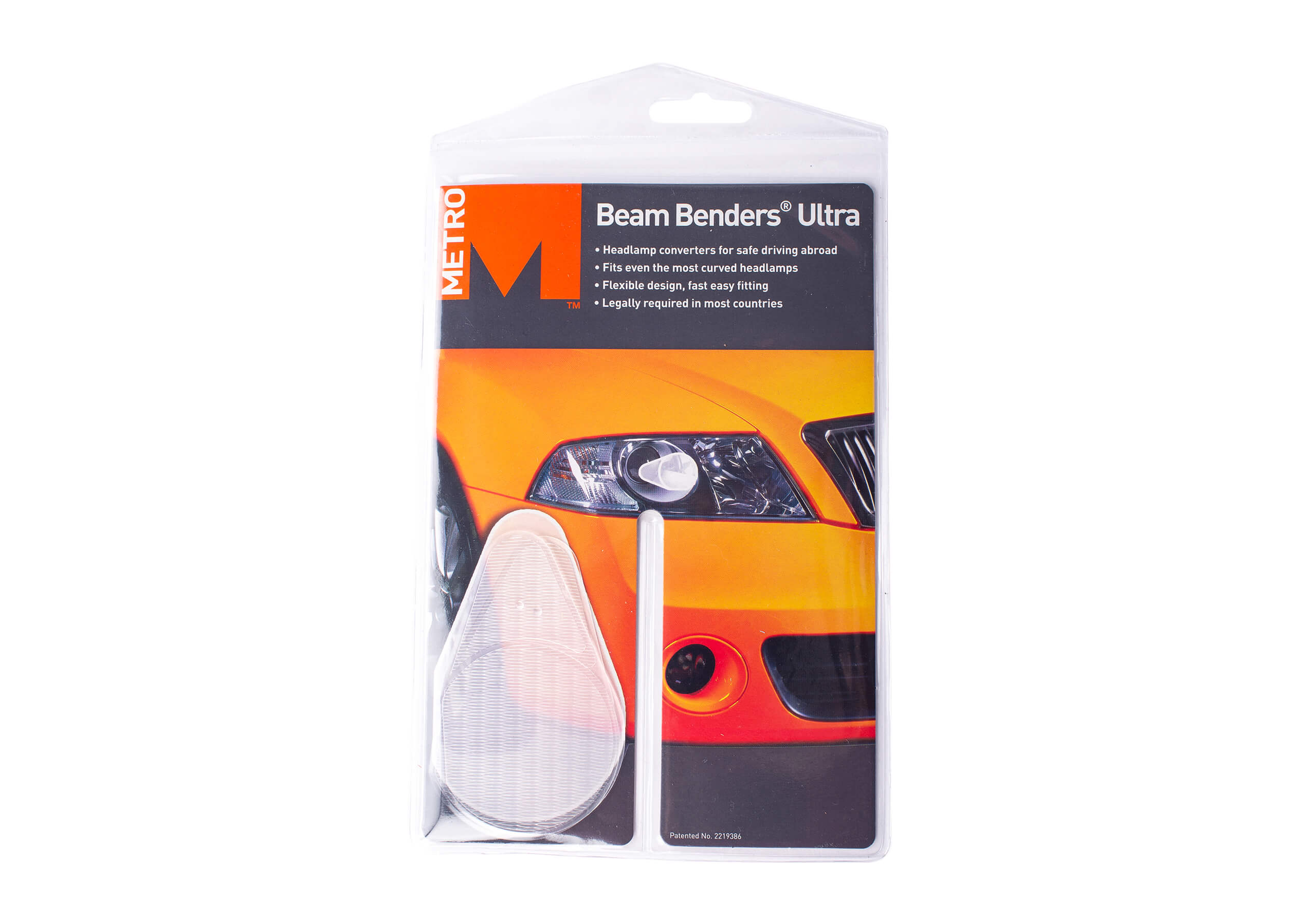 Metro Ultra Beam Benders (clear)
Safety equipment
Metro Ultra Beam Benders (clear)
Safety equipment
Unique patented headlamp converters for continental driving. Beam Benders redirect the beam and d...
In stock £6.25 -
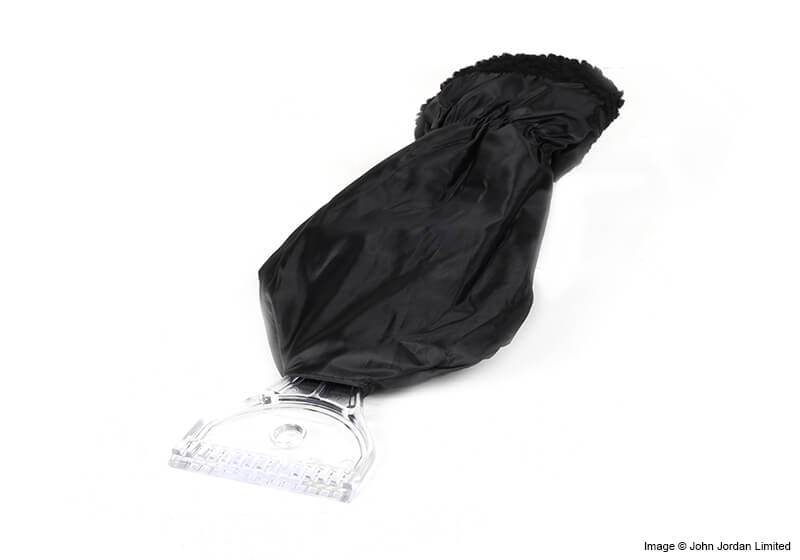 BILLAT Chamonix gloved ice scraper no. GD017
Safety equipment
BILLAT Chamonix gloved ice scraper no. GD017
Safety equipment
This ice scraper, with a fleece lined mitt, makes clearing your windscreen a little bit more comf...
Stock arriving £3.95 -
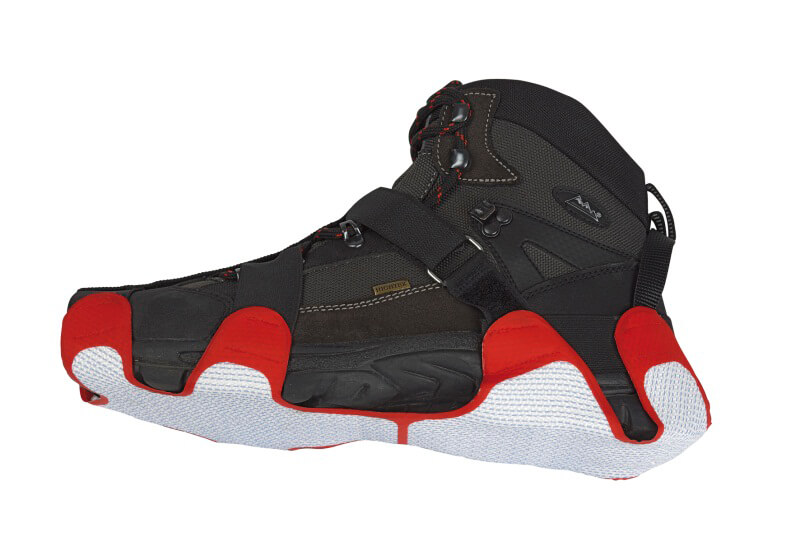 RUD 'i-Sock' shoe socks - small - size 4 to 7.5 - no. 4717329
Safety equipment
RUD 'i-Sock' shoe socks - small - size 4 to 7.5 - no. 4717329
Safety equipment
The RUD 'i-Sock' is a completely new safety product that offers exceptional grip on snowy and icy...
In stock £24.95 -
RUD 'i-Sock' shoe socks - large - size 8 to 12 - no. 4717330
Safety equipment
The RUD 'i-Sock' is a completely new safety product that offers exceptional grip on snowy and icy...
In stock £24.95